

CNCF Ambassador Jimmy Song Joins Dynamia AI as VP of Open Source Ecosystem
 Company news
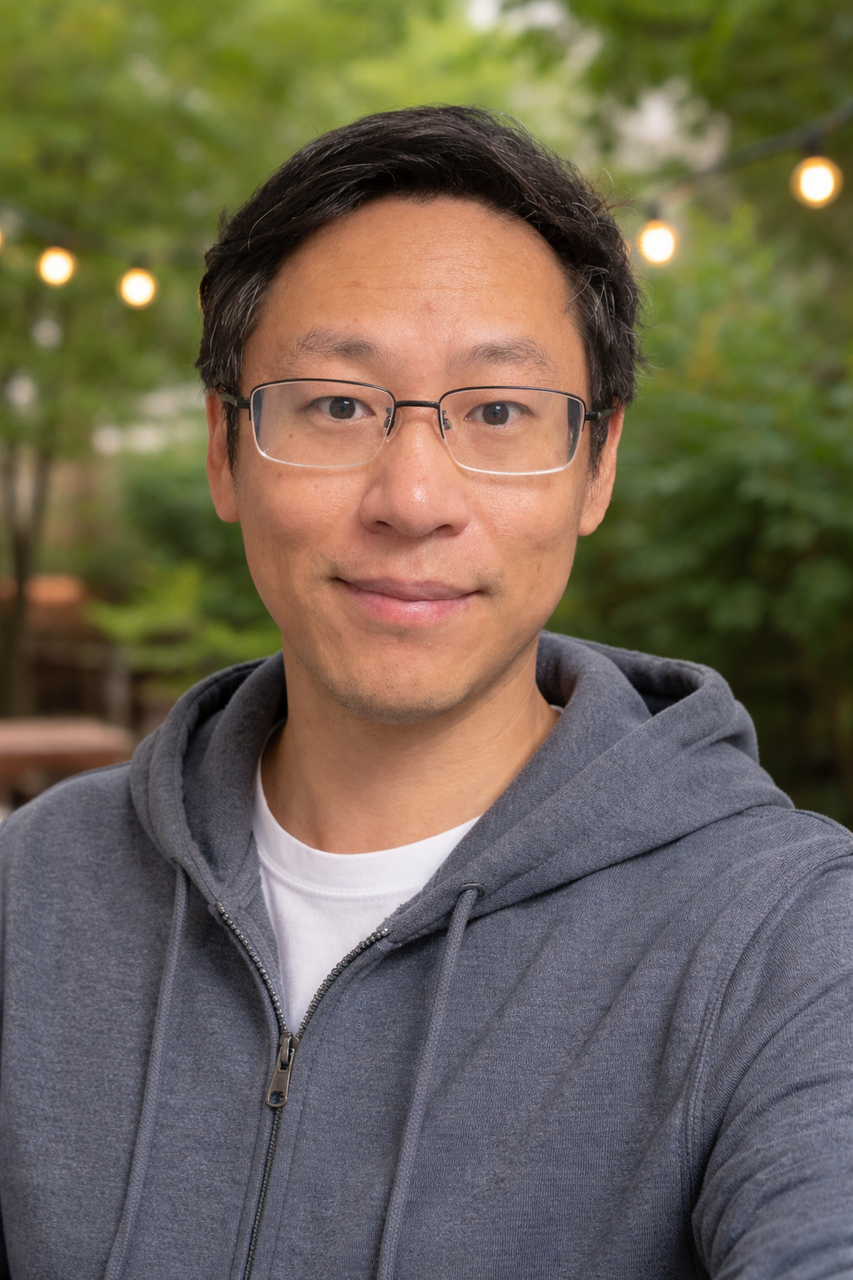
Recently, Jimmy Song (Song Jingchao), a senior technical expert in cloud-native and open-source fields, officially joined Dynamia AI as VP of Open Source Ecosystem, helping Dynamia AI in AI native infrastructure ecosystem construction and global developer collaboration layout.
On this page
Recently, Jimmy Song (Song Jingchao), a senior technical expert in cloud-native and open-source fields, officially joined Dynamia AI as VP of Open Source Ecosystem. With Jimmy's joining, he will help Dynamia AI in AI native infrastructure ecosystem construction and global developer collaboration layout, providing experience reference for AI native infrastructure ecosystem direction related practices.
As a CNCF Global Ambassador, Jimmy is one of the recognized technical practitioners and communicators in China's cloud-native field. Before key technologies such as Kubernetes, Service Mesh, and distributed systems became industry consensus, he was already deeply involved in related practices and dissemination, and was one of the earlier technical personnel in China to systematically introduce cloud-native architecture. Over the years, through continuous output of technical content, participation in industry speeches, and building technical communities, he has promoted the transformation of engineers from "tool users" to "system thinkers." His views on engineering boundaries, system governance, and long-term evolution have extensive reference value in the industry.
Focusing on Core Pain Points, Deeply Cultivating Compute Governance Field
Speaking of why he chose Dynamia AI, Jimmy said: "What attracted me was Dynamia AI's focus on a core issue in AI Native Infra that has long been underestimated but cannot be avoided — computing power, especially the governance and efficient utilization of GPUs."
Based on long-term deep cultivation in cloud-native, distributed systems, and AI Infra fields, Jimmy has formed a clear industry judgment: as large models and AI Agents enter large-scale landing stages, the core factors constraining system scalability and sustainability have shifted from single model capabilities to full-lifecycle management capabilities of computing power, including computing power metering, allocation, isolation, scheduling, and whether a complete operational mechanism of governability, accountability, and optimizability can be built at the system level.
Dynamia AI is always committed to building open-source, open, and scalable heterogeneous compute scheduling and governance solutions. The company's founding team initiated and leads the HAMi project, focusing on heterogeneous GPU resource virtualization and efficient scheduling. Through flexible, reliable, on-demand, and elastic GPU virtualization mechanisms, HAMi improves compute resource utilization and can be deployed in a plug-and-play, lightweight, and non-intrusive manner in public clouds, private clouds, and hybrid cloud environments. In terms of ecosystem, HAMi has formed collaboration with multiple mainstream GPU architectures and upstream and downstream open-source projects such as vLLM, Volcano, Koordinator, and Kueue. Currently, it has been adopted by more than 60 operating system vendors, compute cloud vendors, and vertical industry customers, successfully landing in finance, logistics, intelligent driving, and other fields.
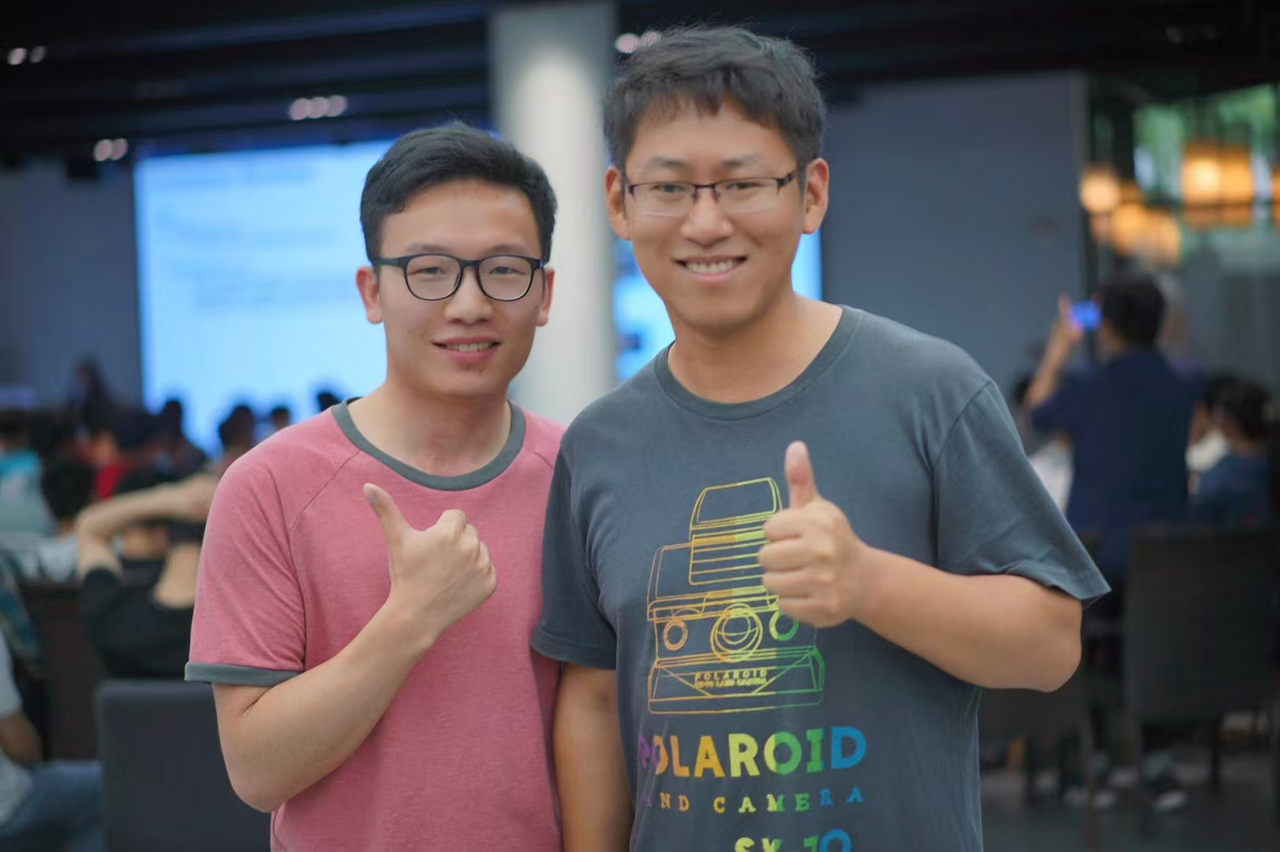
It is worth mentioning that Jimmy and Dynamia AI founder Zhang Xiao met at a cloud-native community Meetup in 2019. As peers in the cloud-native field, their consensus on the "long-term value of infrastructure" gradually settled over time and naturally came together.
Let us look forward to Jimmy Song's wonderful performance at Dynamia AI, writing a brilliant chapter for Dynamia AI with open-source idealism!