Dynamia Organizes CNCF and PyTorch Foundation Delegates on a Tour of China's AI Compute Companies
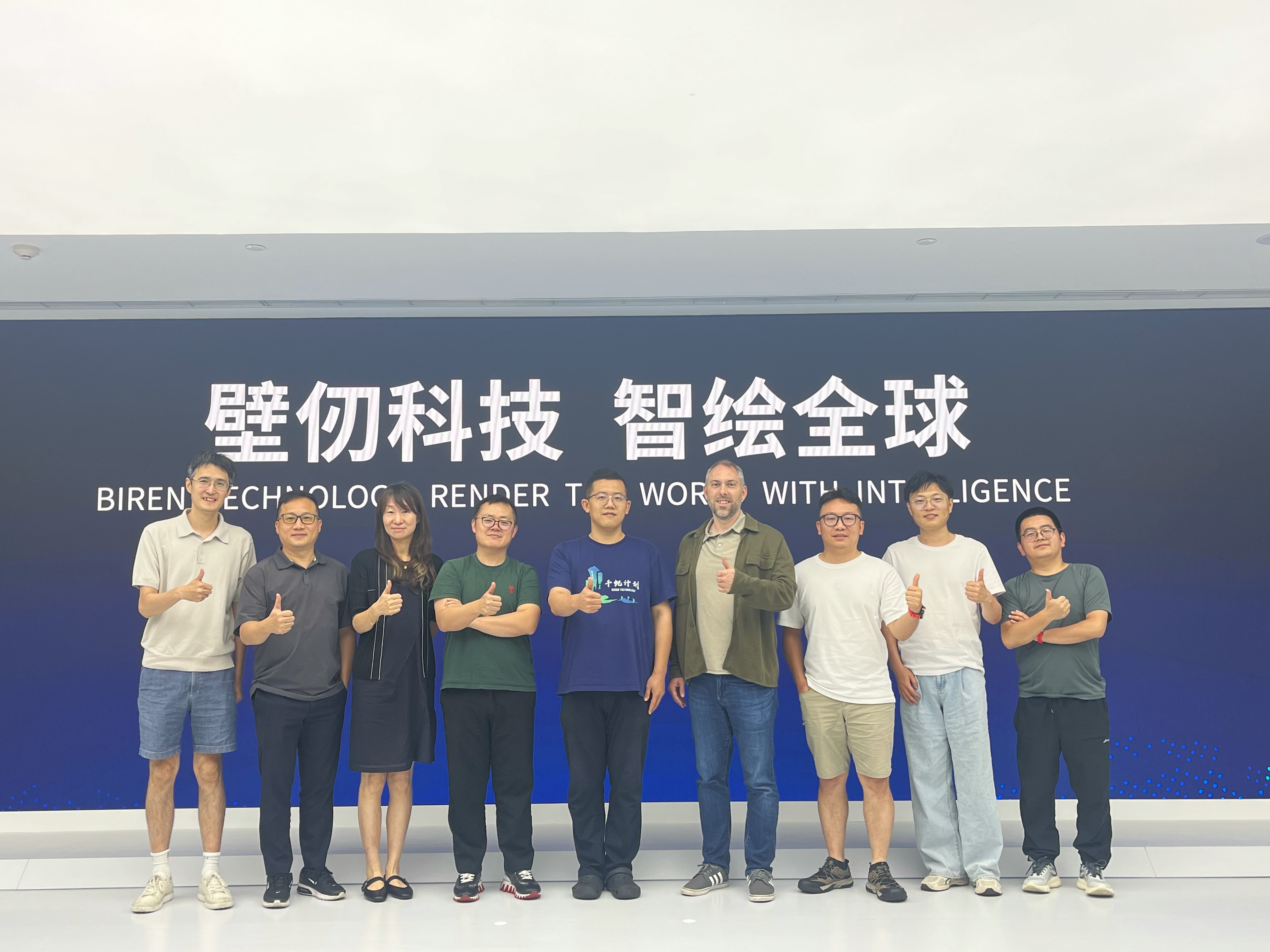
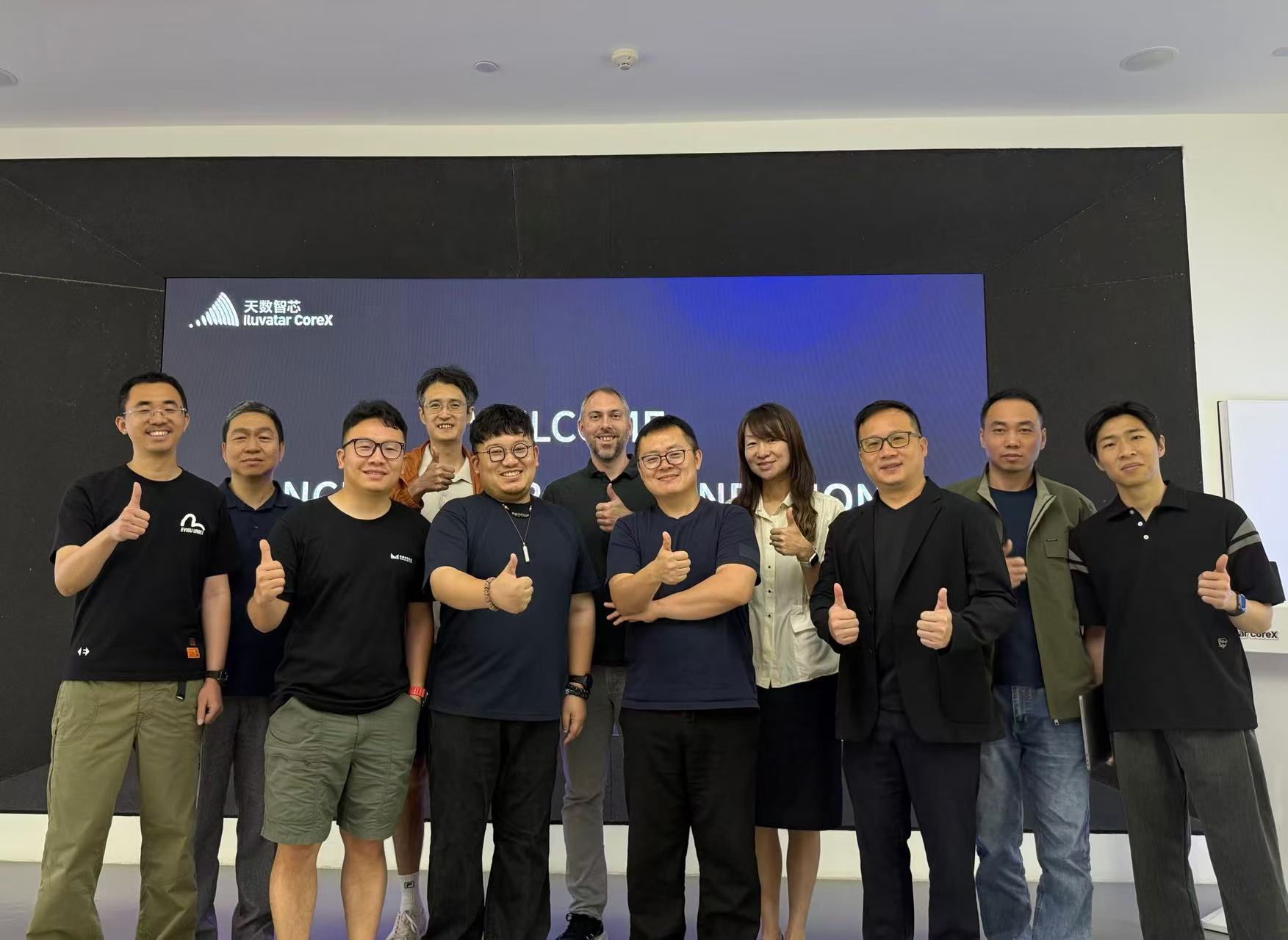
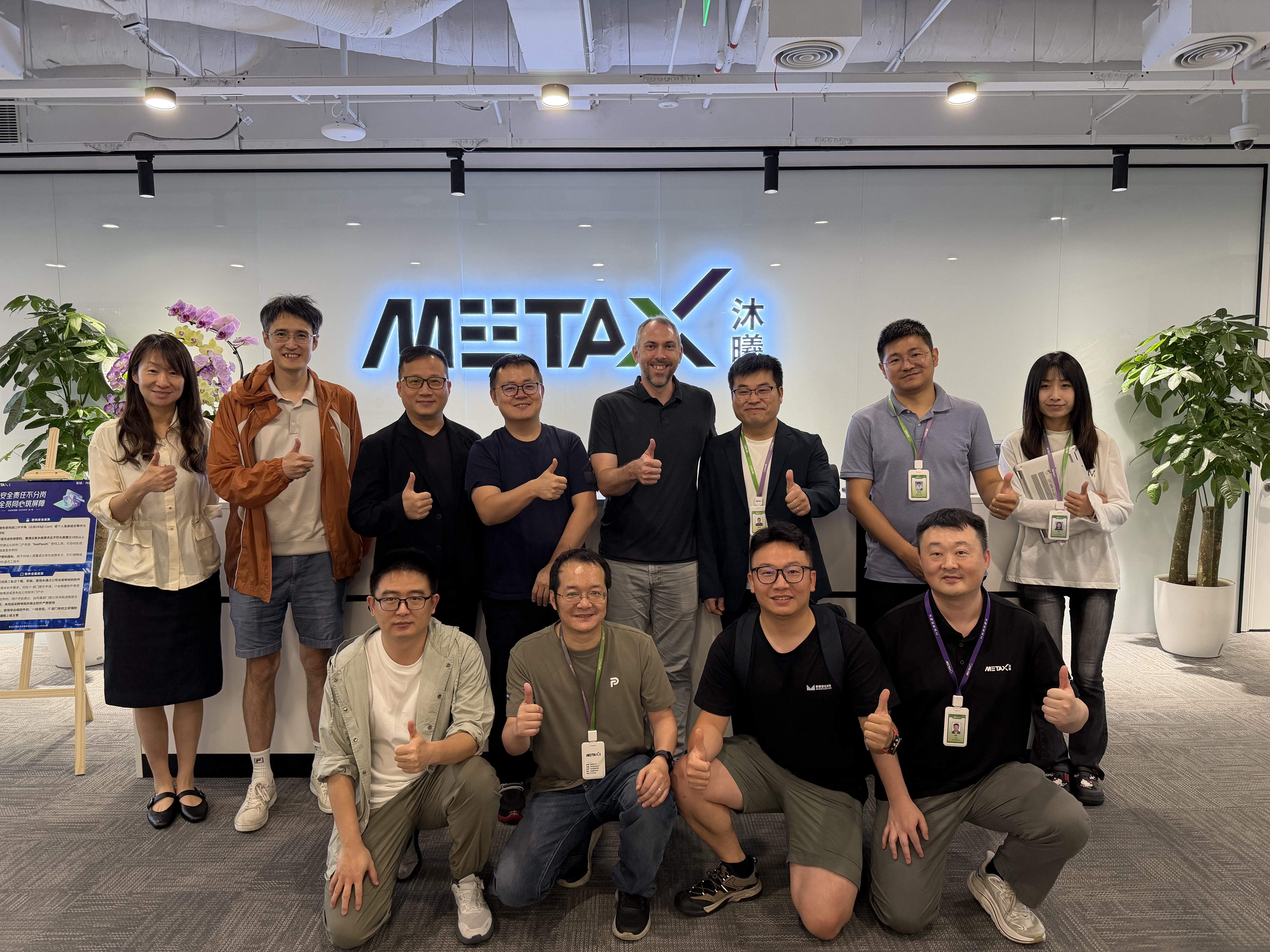
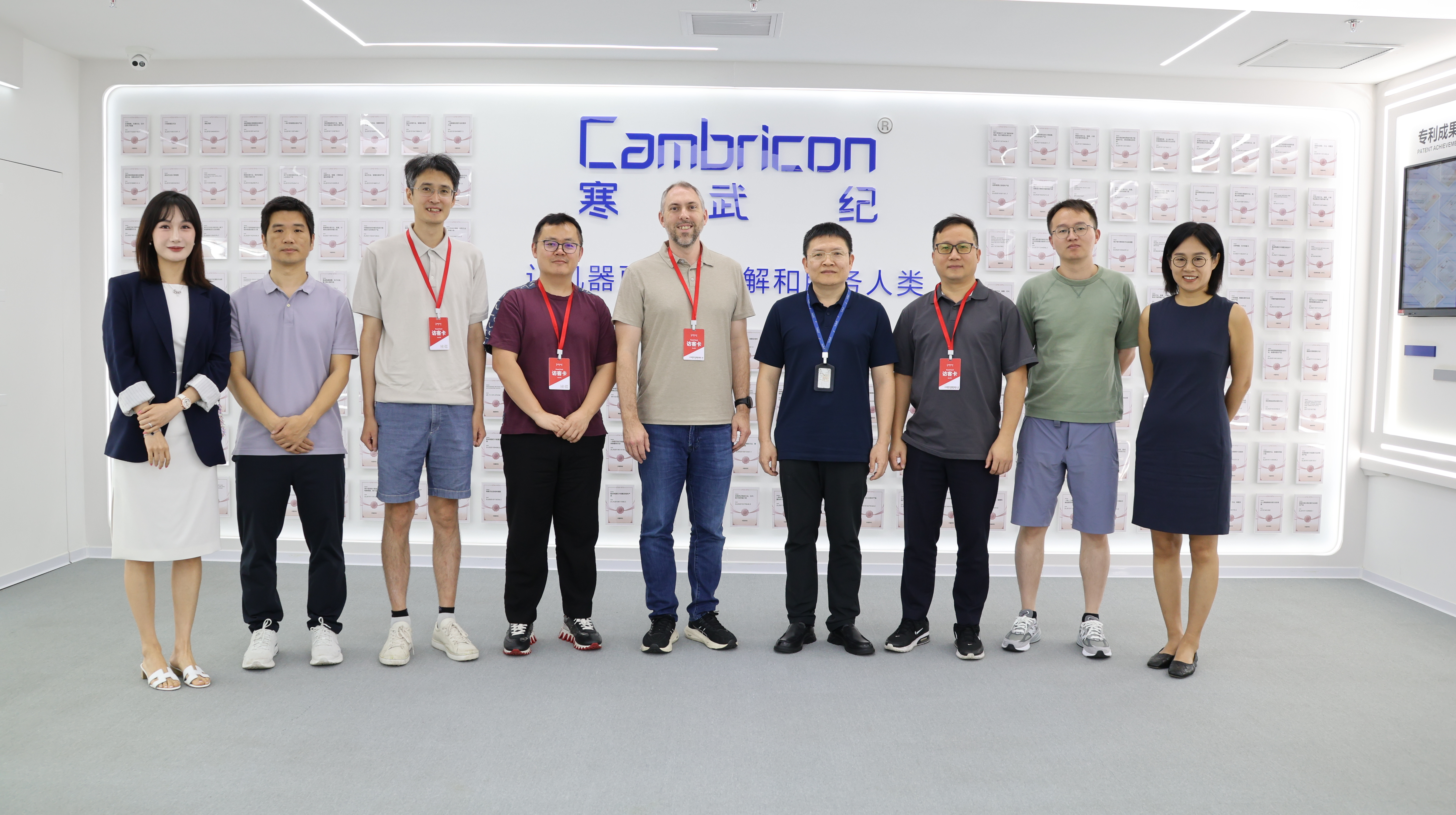
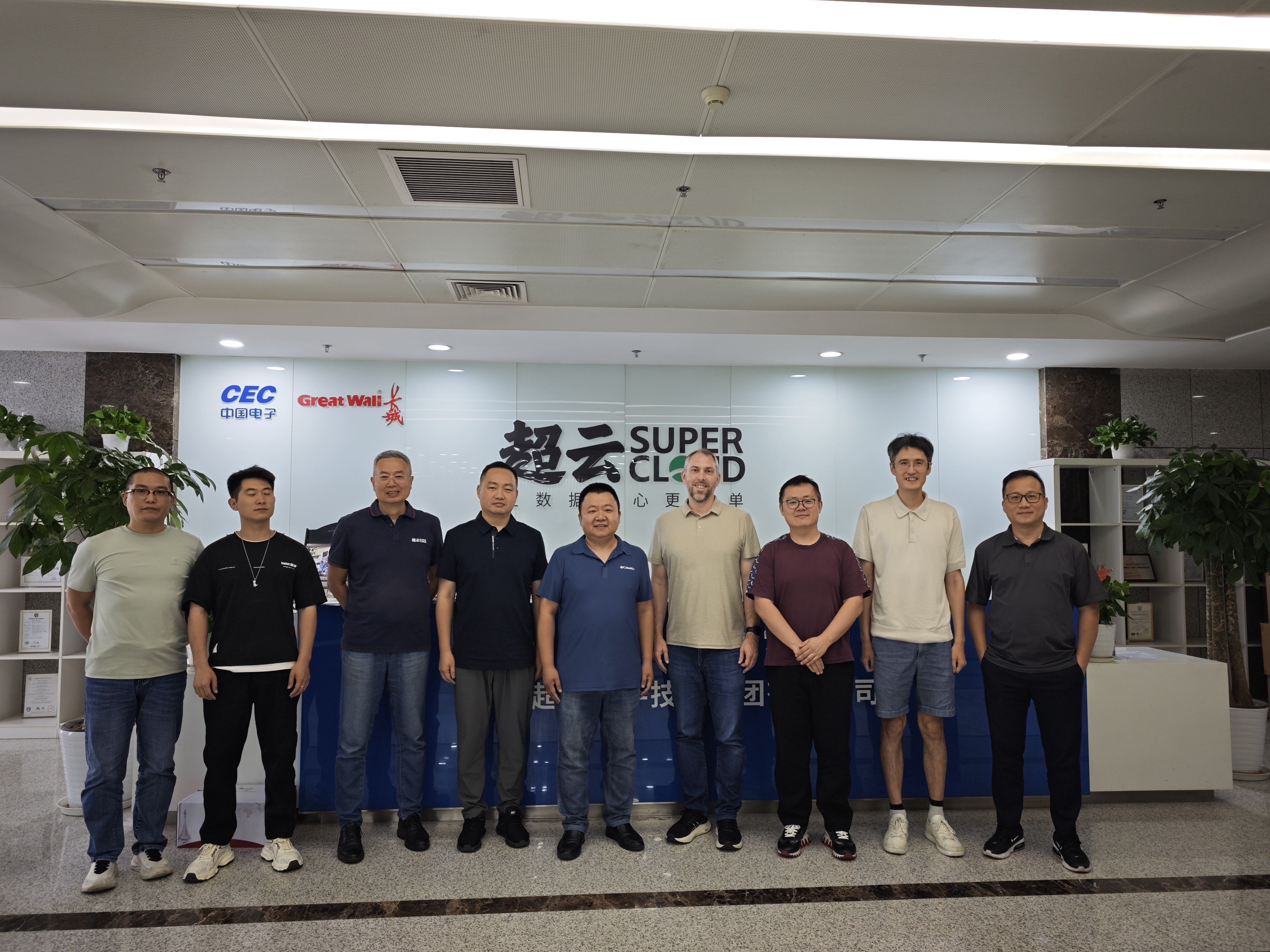
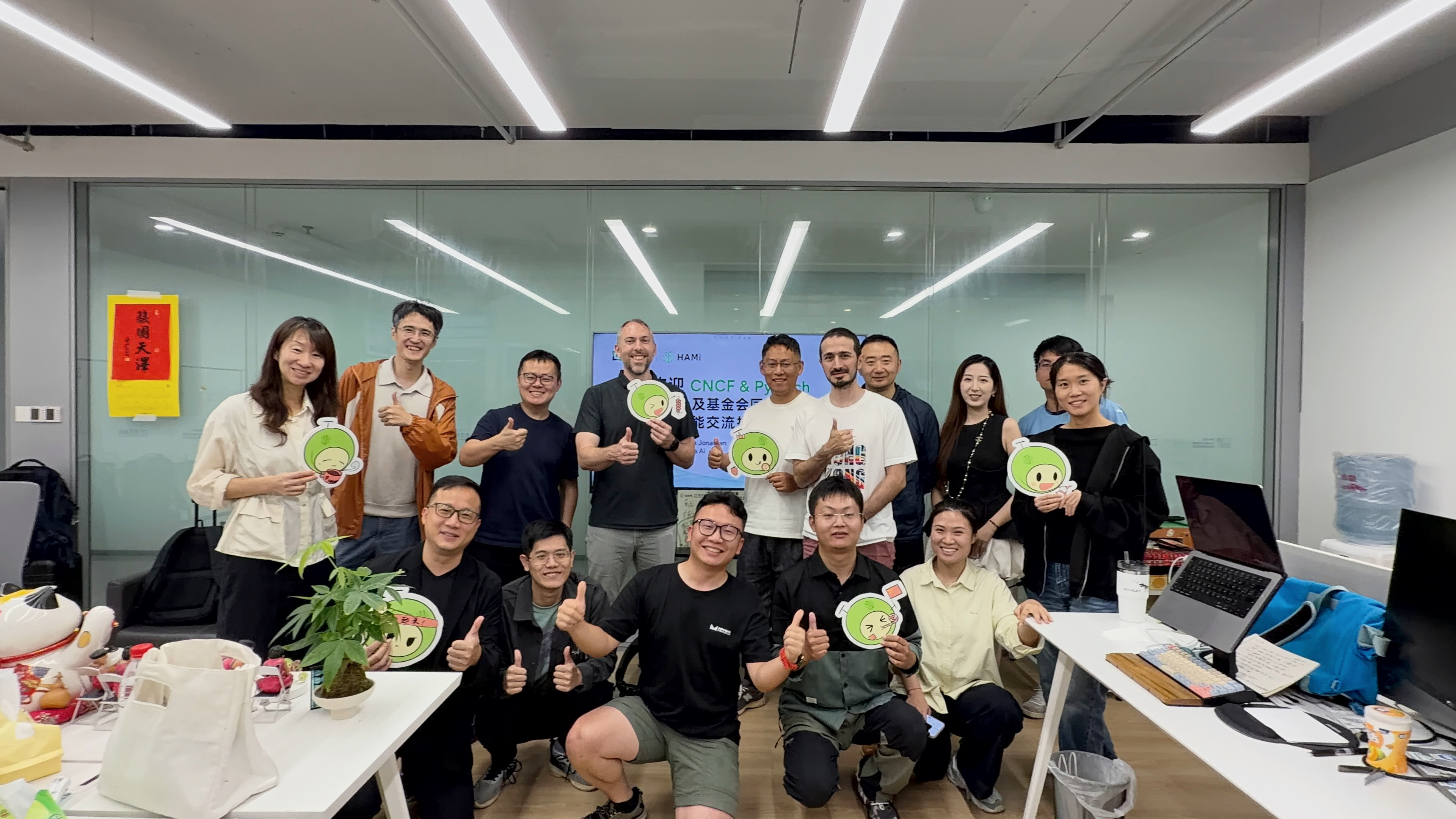
Recently, HAMi, the open-source project initiated and long driven by Dynamia, officially graduated to a CNCF Incubating project. As the only open-source project in the industry today focused on heterogeneous GPU resource virtualization and efficient scheduling that has reached the CNCF Incubating stage, HAMi's milestone signals that AI compute management is moving from engineering exploration toward an infrastructure direction recognized by the global cloud native ecosystem. Right in this industry window, Dynamia organized and accompanied a CNCF and PyTorch Foundation delegation on a tour of China's AI compute companies. The delegation included Jonathan Bryce, Executive Director of Cloud Computing, AI and Infrastructure at the CNCF and Linux Foundation; Haoyang Li, Asia Director for CNCF/PyTorch; and Keith, CNCF China Director, among others. They visited Biren Technology, Iluvatar CoreX, MetaX, Cambricon, and Super Cloud—leading Chinese AI chip and compute infrastructure companies—for in-depth exchanges on adapting domestic AI accelerators to the global cloud native AI Infra open-source ecosystem, co-building that ecosystem, and landing it in production.
Behind this tour is the global open-source ecosystem's sustained interest in China's AI compute industry. As domestic GPUs, NPUs, MLUs, and other AI accelerators enter the production environments of more model vendors, cloud platforms, and enterprise customers, the CNCF and PyTorch Foundation want a more direct understanding of the Chinese AI compute ecosystem—particularly the adaptation progress, production practices, and ecosystem collaboration needs of domestic AI chip and compute infrastructure companies in cloud native and AI Infra scenarios.
Why CNCF, and Why Dynamia and HAMi
The CNCF is a major organization within the Linux Foundation's global cloud native ecosystem, building community governance and technical collaboration around open-source projects such as Kubernetes, Prometheus, and Envoy. As AI training, inference, agents, and multimodal applications keep growing, cloud native technology is moving into the core scenarios of AI Infra.
In this process, heterogeneous accelerators such as GPUs, NPUs, and MLUs are becoming new infrastructure entry points. How compute is recognized, scheduled, isolated, observed, and metered by Kubernetes is no longer just a problem for hardware vendors—it is now a shared concern for cloud platforms, AI frameworks, model-serving systems, and enterprise AI platforms.
HAMi is the open-source project that grew up in exactly this context. Founded and core-maintained by the Dynamia team, HAMi delivers sharing, scheduling, isolation, and virtualization for heterogeneous compute in Kubernetes scenarios, and entered CNCF Incubating in July 2026, becoming a key open-source project in the cloud native ecosystem for heterogeneous AI compute virtualization.
For Dynamia, HAMi is more than an open-source project; it is a critical technical foundation connecting domestic heterogeneous compute, Kubernetes resource governance, and the global AI Infra community. In recent years, HAMi has carried out continuous technical adaptation and production practice with a number of domestic GPU vendors, cloud platforms, and enterprise customers. From GPU sharing and memory isolation to fine-grained partitioning, from multi-card heterogeneous scheduling to DRA and CDI integration, and on to monitoring, metering, and platform capabilities, HAMi has built up a body of engineering experience that bridges the upstream open-source ecosystem and domestic heterogeneous compute.
Building on this practical experience, Dynamia helps the CNCF and PyTorch Foundation understand the technical progress, production practices, and collaboration needs of China's AI compute ecosystem more directly; at the same time, it helps domestic AI chip and compute infrastructure companies participate more systematically in global open-source ecosystems such as CNCF, PyTorch, vLLM, and HAMi. This tour is one concrete practice in which Dynamia uses HAMi as a bridge to build a deeper connection between domestic AI compute and the global open-source community.
Three Key Questions for the Domestic Compute Ecosystem
Across the tour, each company had its own product roadmap and deployment focus, yet the discussion quickly converged on a shared proposition: how domestic AI accelerators can move from "able to run" to "able to be stably governed by platforms and sustainably adopted by ecosystems."
First, how do domestic AI accelerators enter the cloud native resource governance system? In enterprise production environments, compute resources need to be uniformly managed, finely scheduled, and continuously observed. Only by entering mainstream cloud native resource systems such as Kubernetes can domestic GPUs, NPUs, and MLUs be more standardized in how they are recognized, allocated, and used by cloud platforms and enterprise AI platforms.
Second, how does domestic compute enter mainstream AI software stacks? From model training to large-model inference, open-source frameworks such as PyTorch and vLLM are becoming important entry points for developers and enterprise platforms. Domestic AI accelerators must not only "run models"—they also need continuous validation across framework adaptation, runtime support, model compatibility, performance optimization, and production stability.
Third, how does domestic compute form a reusable ecosystem through open-source communities? For AI chip and compute infrastructure companies, participating in the global open-source ecosystem is not only about submitting code; it also includes standards alignment, upstream adaptation, compatibility validation, case publishing, and developer-event participation. Together, these actions determine whether domestic compute can be stably recognized and adopted by a broader base of developers, cloud platforms, and enterprise customers.
This tour further built consensus: for domestic AI compute to reach a larger industrial ecosystem, it must continuously validate, contribute, and co-build within the cloud native and AI open-source systems.
From Industry Consensus to Ecosystem Action
After consensus comes more concrete ecosystem action. The parties will work across framework adaptation, community contribution, joint case-building, developer events, and international conference sharing to bring engineering problems and adaptation experience from real production scenarios into open-source ecosystems such as CNCF, PyTorch, vLLM, and HAMi.
As part of the follow-on ecosystem exchange, on July 16, vLLM Meetup Shanghai will take place at Shanghai Model Space (模速空间). The event will center on "The Boundaries of Inference: Full-Stack Evolution from Chip to Application." Aimed at AI infrastructure engineers, MLOps teams, model developers, GPU and accelerator vendor technical teams, and cloud native architects, it will continue the discussion of the full-stack evolution from chip to model inference and from framework to application deployment.
At the same time, Dynamia will keep participating in follow-on open-source ecosystem events such as KubeCon + CloudNativeCon, OpenInfra Summit, and PyTorch Conference China, bringing more practice sharing and community exchange around HAMi, heterogeneous compute scheduling, cloud native AI Infra standardization, and the domestic compute ecosystem.
The next phase of domestic AI compute is determined not only by the chips themselves, but by whether open collaboration can form across chips, frameworks, scheduling, platforms, applications, and communities.
Dynamia will continue to build on HAMi, bringing the engineering practices of domestic heterogeneous compute from real production scenarios into a more open cloud native and AI open-source ecosystem, and driving these capabilities to be continuously validated, contributed, and co-built across mainstream stacks such as Kubernetes, PyTorch, and vLLM.
Scenes From the Tour
From chip vendors to server and compute infrastructure companies, this tour covered multiple key links in the domestic AI compute ecosystem, laying the groundwork for follow-on community co-building, event coordination, and international conference exchange.
Below are selected group photos from the delegation's visits.